
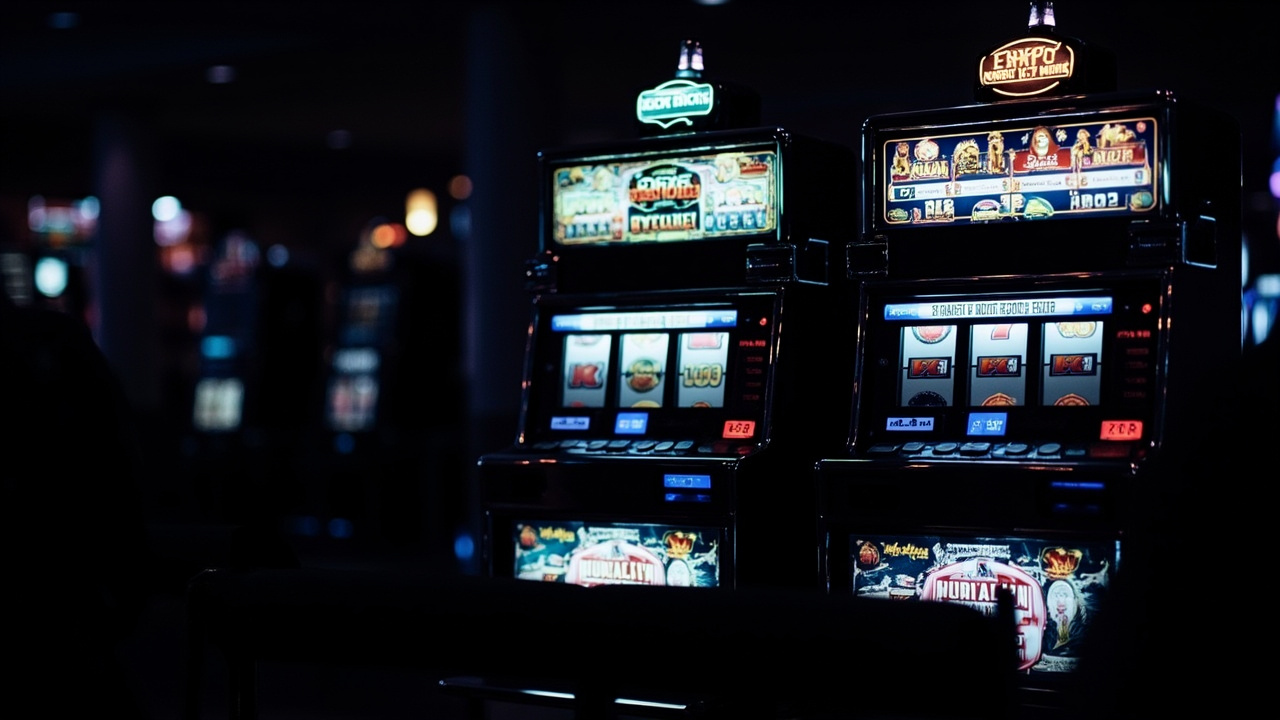
When a hold and win mechanic lands, the screen shifts from a standard spin to a grid where symbols lock in place and the game rolls again on your behalf. That pause matters, because the feature is built around repeated re-spins rather than a single instant payout, and the way a studio designs those locked symbols decides whether the round feels tense or flat. I have spent two decades shaping land-based cabinets, social titles, and iGaming products, and the best hold and win rounds behave like a packed Melbourne tram at peak hour – every square inch is accounted for, the doors stay shut until the grid settles, and you know exactly when the ride is about to move. The Lightning Link and Dragon Link pokie series became enormously popular in Australian venues because they treated that locked-grid moment as the whole event, not a quick detour before the base game returned.
How Hold and Win Bonus Features Work In Slot Games
A hold and win feature starts when the game drops you into a dedicated bonus grid, usually a cluster of symbols or a tile layout that replaces the normal reel strip for the duration of the round. Symbols you want to keep are pinned to their positions, and the remaining spaces re-roll until the grid either fills with qualifying icons or runs out of re-spins. That is the core loop: lock, re-roll, repeat, with each pass giving the round another chance to build a payout path. Good design makes the locked symbols feel meaningful right away, because the player can read the shape of a potential win before the final re-spin lands. The feature is not a separate mini-game with its own ruleset bolted on afterward; it is the same game engine running a different decision cycle, which is why the pacing and the visual feedback matter so much more than a big number flashing on the payline.
The way a studio positions this round inside the overall slot changes how it reads on the floor and on a phone. Some titles treat the hold and win grid as a rare visit, so when it arrives the tension is already high and the locked symbols feel like a reward in themselves. Other games lean on frequency, letting the feature appear more often but with smaller building blocks, which shifts the experience toward steady accumulation rather than a single dramatic moment. Either approach can work, but the one that holds up under scrutiny is the one where the locked symbols actually tell you what the round is trying to do. I have judged this in social products as well, where the same locked-grid idea had to survive on a smaller screen and with fewer animations, and the titles that aged well were the ones that kept the grid readable instead of burying it under particle effects.
A practical way to compare these rounds is to watch what happens after the first lock lands. Does the game give you a clear sense of how many re-spins remain, or does it leave you guessing while the grid keeps turning? Does the locked symbol carry its own value, or is it only useful once it connects to something else? Those details are what separate a feature that feels like a genuine decision point from one that is just a delay before the math does its work. The best rounds make the hold and win moment feel deliberate, with the locked positions guiding your eye toward the next likely connection instead of scattering attention across the whole screen.
How Hold And Win Bonus Features Work In Slot Games Across Different Setups
The same hold and win idea can read very differently depending on where the game is played and who is playing it. In a land-based cabinet, the grid has room to breathe, the locked symbols can sit at a size that is easy to track from a standing position, and the re-spin cycle can carry enough animation to make each pass feel distinct. On a phone, that same round has to work in a narrower field of view, with the locked icons staying legible without zooming and the re-spin feedback staying clear without turning into a light show. A delayed Sydney train teaches the same lesson about pacing: the wait is only tolerable if you can see what is happening and understand why the moment is taking the time it takes. A hold and win round that hides its re-spin count or buries the locked symbols under effects loses that clarity, and the feature starts to feel like waiting rather than playing.
Provider approach matters here too, because the grid style, the lock logic, and the re-spin rules are not interchangeable parts. One studio might build a grid where every locked symbol contributes directly to a growing win, while another uses the locks as stepping stones toward a separate payout trigger. Neither is automatically stronger, but the difference changes how the round feels in your hands. The titles that survive long term are usually the ones where the lock rules are simple enough to explain in a sentence and consistent enough that you can read the grid after a few visits. That is the same reason Red Dead Redemption recreated Old West poker and blackjack with such care: the rules were familiar, the presentation was deliberate, and the moment-to-moment play stayed readable even when the scene around it was full of detail.
Mobile usability is where a lot of hold and win rounds either earn their place or lose it. A browser or app version needs the grid to fit without squashing the locked symbols, the re-spin button or auto-advance to respond without lag, and the navigation around the feature to stay out of the way once the round is running. If the screen forces you to hunt for the locked positions or the pay summary, the feature stops feeling like a bonus and starts feeling like a puzzle you are solving for the interface. A Saturday queue at a Bunnings sausage sizzle is a decent comparison: the line moves because everyone knows where they stand and what comes next, and a hold and win round works best when the same kind of order is visible on the screen. In the Brisbane market especially, where a lot of play happens on the commute or in short breaks, that mobile-first fit is not a nice-to-have detail – it is the difference between a feature you return to and one you tap past.
When those elements align, the experience feels seamless enough to keep players engaged through bonus triggers. For a closer look at how these design choices impact performance, check the latest reviews at woospin.com.
How Hold And Win Bonus Features Work In Slot Games For Player Fit
The right hold and win round for you depends on what you want from the feature itself, not just on the top-line promise attached to it. If you like rounds that build slowly and let you watch a grid fill out, a title with fewer visits but clearer locked-symbol progression may suit you better than one that triggers often and resolves quickly. If you prefer a feature that feels like a distinct event, look for a game where the hold and win moment changes the pace of the session rather than slipping past in the same rhythm as the base game. The question is less about which round is bigger on paper and more about which one matches the kind of attention you want to give it.
It also helps to check how the feature talks about value without overstating it. A locked symbol is not a promise of a payout, and a re-spin cycle is not a shortcut around the underlying maths, so the useful comparison is whether the round is honest about what it is doing. Registration, payments, and loyalty details vary from one product to another, but the part that matters for this feature is whether the bonus grid is presented in a way you can actually read before you commit to the round. Brisbane players who are weighing a new title should pay attention to whether the locked positions stay visible on a phone, whether the re-spin count is clear, and whether the feature feels like a genuine change of pace or just another animation layer on top of the same spin.
Conclusion
Hold and win bonus features work best when the locked grid, the re-spin cycle, and the mobile presentation all point in the same direction, because that is what makes the round feel intentional instead of decorative. The titles that hold up are the ones where you can read the feature at a glance, understand what the locks are doing, and tell whether the round suits the way you want to play.